
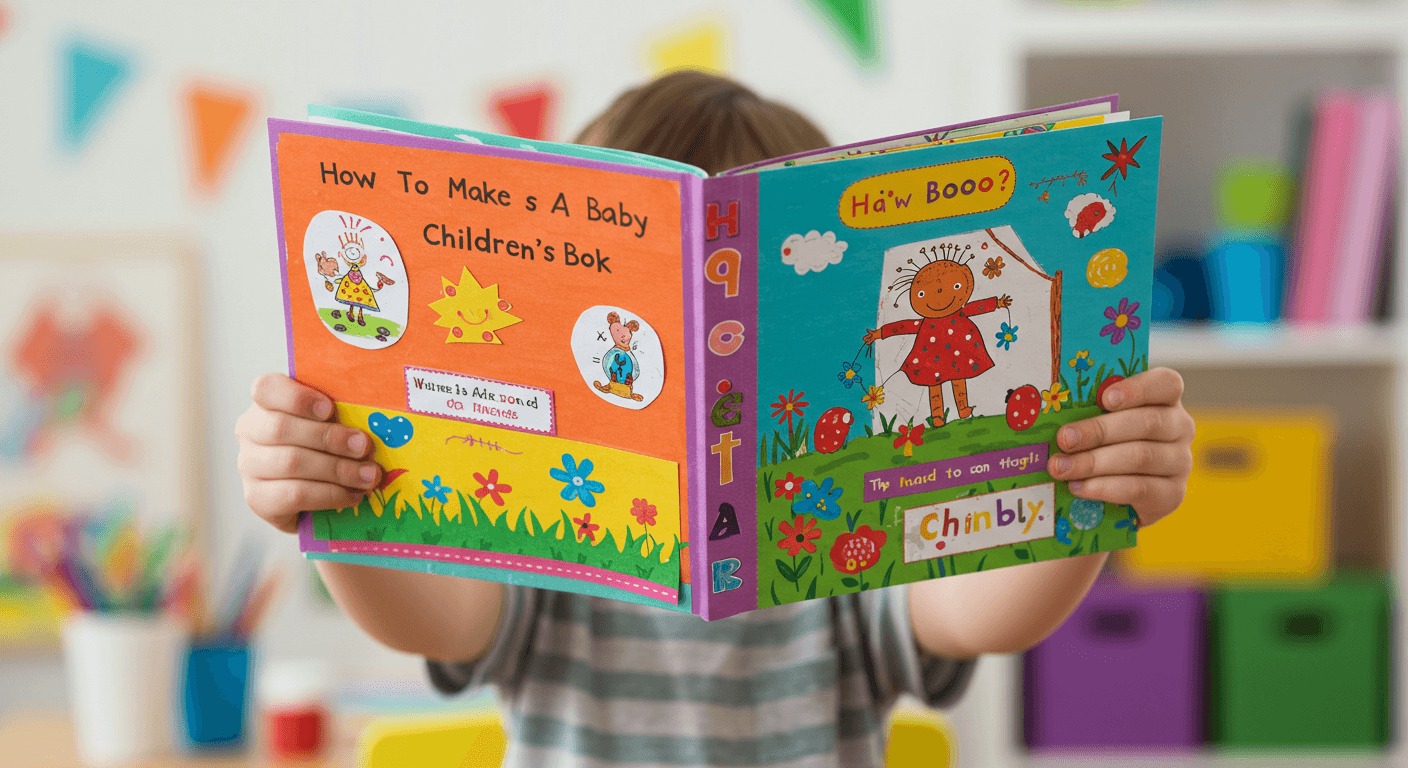
The idea of creating a children’s book, especially one for babies, often sparks joy and a sense of wonder. These are the books that shape early imaginations, introduce fundamental concepts, and create cherished moments between parent and child. But how does one take a spark of an idea and transform it into a tangible, beloved book? This guide outlines the intricate yet rewarding process, including insights from a ghostwriter’s unique perspective.
Creating a baby children’s book isn’t simply about bright colors and cute characters; it’s a thoughtful process of understanding the audience, mastering subtle storytelling, and carefully crafting every element to captivate tiny minds.
The Genesis: Where Picture Books Begin
Every baby’s book starts with a core concept. But what ignites these initial ideas?
Observation of Children:
Spending time with babies and toddlers offers invaluable insights. What captivates their attention? What sounds do they respond to? What simple actions do they mimic? A child’s fascination with a fluttering butterfly or their delight in a repeated sound can be the genesis of a story.
Fundamental Concepts:
Baby books often introduce basic ideas. Think about numbers, colors, shapes, animals, or common objects. A story can be built around counting animals on a farm or identifying colors in a garden.
Sensory Experiences:
Babies learn through their senses. Ideas can stem from exploring textures (a touch-and-feel book), sounds (a book with crinkly pages or simple rhymes), or even familiar smells.
Everyday Routines:
Daily activities like bedtime, mealtime, or playtime are familiar and comforting to babies. A book about brushing teeth or saying goodnight to toys can be highly relatable.
Emotional Connections:
Books can introduce simple emotions like happiness or sadness through character expressions and actions, helping babies begin to understand their own feelings.
For a ghostwriter, the initial concept for a baby book might come from a client’s specific vision—perhaps a personal experience, a unique teaching approach, or a particular character idea. The ghostwriter’s role then involves taking this initial concept and meticulously developing it into a cohesive and engaging narrative suitable for the target age group. This highlights a crucial point: even if the initial idea is simple, careful development can turn it into a beloved story.
The Foundation: Understanding the Baby Reader
Before any words are written or illustrations are planned, it is crucial to understand the unique characteristics of the target audience: babies and toddlers.
1. The Target Age Group: Who Is the Reader?
Baby books typically target specific age ranges, as their developmental stages vary significantly.
0-12 Months (Infants):
Books for this age are often high-contrast (black and white, or bright primary colors), feature simple shapes, and are designed for sensory exploration (board books, cloth books, crinkly pages, mirror elements). The “story” is often found in the repetition of images and sounds.
12-24 Months (Toddlers):
These books introduce more complex concepts, simple narratives, and opportunities for interaction. Lift-the-flaps, peek-a-boo elements, and simple counting or animal sounds are popular. Repetition is still key, as is a clear beginning, middle, and end, even if very basic.
24-36 Months (Preschool Readiness):
Stories become slightly longer, character development begins, and concepts like sharing, friendship, and problem-solving are introduced. Vocabulary expands, and there’s often a stronger focus on a simple plot.
Understanding the specific age group dictates everything from word count and vocabulary to illustration style and physical format.
2. Durability and Safety: Physical Considerations
Baby books need to withstand significant wear and tear.
- Board Books: These are highly durable, with thick cardboard pages that resist tearing and chewing. They are perfect for infants and toddlers.
- Cloth Books: Soft, washable, and safe for mouthing, these are ideal for the youngest babies.
- Bath Books: Waterproof books designed for bath time.
- Tactile Elements: Touch-and-feel textures, lift-the-flaps, pop-ups, and pull-tabs enhance engagement but must be securely attached and child-safe.
For a ghostwriter, advising clients on the appropriate physical format based on their story concept and target audience is a frequent task. Safety standards are paramount and must always be considered.
3. Simplicity and Repetition: The Language of Baby Books
The language in baby books is fundamentally different from that in novels.
- Limited Vocabulary: Words should be simple, concrete, and easily understandable. For infants, single words or very short phrases are common.
- Repetition: Repetitive phrases, sounds, and structures are crucial. Babies thrive on predictability and repetition, which aids in language development and memory. Think of classic examples like “Brown Bear, Brown Bear, What Do You See?”
- Rhythm and Rhyme: While not mandatory, rhythm and rhyme can make a book more engaging and memorable for both the child and the parent reading it aloud. They also help with early phonological awareness.
- Concise Text: Every word counts. Long sentences or paragraphs are avoided. The text should complement the illustrations, not overwhelm them.
A ghostwriter focuses on crafting clear, concise text that is both engaging for the child and enjoyable for the adult reading aloud. This often involves many rounds of refinement to ensure every word serves its purpose.
The Blueprint: Crafting the Story (or Concept)
Even for the simplest baby book, there is a “story” or a progression of ideas.
1. The Core Concept/Message: What is the Book About?
Before writing, define the central idea. Is it about counting to five? Identifying farm animals? Learning to share? Having a clear message keeps the book focused.
- Example: “A group of animal friends says goodnight to each other before bed.” (Bedtime story concept)
- Example: “Exploring different colors found in nature.” (Concept about colors)
2. Simple Structure: A Beginning, Middle, and End
Even very young children benefit from a predictable structure.
- Beginning: Introduce the character(s) or concept. Set the scene.
- Middle: Develop the concept or action. This is where repetition often shines. Characters might encounter various animals, count different objects, or explore different colors.
- End: Provide a clear conclusion or resolution. This could be a gentle goodnight, a final count, or a return to a familiar comfort.
3. Character (if applicable): Simple and Relatable
If characters are used, they should be simple, distinct, and easily recognizable.
- Clear Visuals: Characters should have clear, simple features that are easy for a baby to distinguish.
- Relatable Actions/Emotions: Even simple characters can display basic emotions or actions that babies can relate to (e.g., a happy bear, a sleepy bunny).
4. The Power of the Page Turn: Pacing
Consider how the story unfolds across the pages.
- Anticipation: Each page turn should offer a delightful reveal. This might be a new animal, the next number, or a character hiding behind a flap.
- Visual Storytelling: For baby books, illustrations often carry more of the “story” than the text. The text acts as a guide for the parent, while the visuals communicate directly with the child.
As a ghostwriter, the development of a strong page-turn dynamic is crucial. It ensures the book feels interactive and holds a baby’s fleeting attention. This involves carefully planning which elements appear on which page spread.
The Visual Appeal: Illustrations are Key
For baby children’s books, illustrations are paramount. They are often the first thing a child notices and the primary way they engage with the story.
- Bright, Clear Colors: Vibrant, distinct colors are essential for capturing a baby’s attention and helping them differentiate objects. High contrast is particularly important for infants.
- Simple, Uncluttered Images: Overly busy illustrations can be overwhelming. Focus on one or two main objects or characters per page.
- Expressive Characters: If characters are used, their emotions should be clearly visible through their facial expressions and body language.
- Consistency: Illustrations should maintain a consistent style and character appearance throughout the book.
- Age-Appropriate Style: The art style should match the target age. Cartoony and soft illustrations often work well for babies, avoiding anything too realistic or complex.
A ghostwriter often works closely with an illustrator or provides detailed art direction to ensure the visuals perfectly complement the text and appeal to the target audience. Sometimes, the ghostwriter might even suggest specific visual gags or interactive elements that an illustrator can bring to life.
The Ghostwriter’s Unique Contribution
Beyond the mechanics of book creation, a ghostwriter brings a distinct set of skills to the process of crafting children’s books.
Understanding the Child’s Mindset:
Ghostwriters specializing in children’s literature possess an innate ability to think like a child. They know what captures attention, what language resonates, and what concepts are developmentally appropriate. This includes understanding the nuances of language acquisition and emotional intelligence in young children.
Crafting for Read-Aloud:
A baby’s book is almost always read aloud. A ghostwriter meticulously crafts text that flows well, has a natural rhythm, and is enjoyable for the parent or caregiver to read repeatedly. This involves careful consideration of sentence structure, word choice, and phonetic sounds.
Simplifying Complex Ideas:
Clients often have wonderful, sometimes intricate, ideas. A ghostwriter’s skill lies in taking these concepts and simplifying them into language and visuals that are accessible and engaging for the youngest readers without losing the core message.
Navigating Trends and Market Needs:
The children’s book market is dynamic. A ghostwriter, often having worked on multiple projects, has a pulse on current trends, popular themes, and what publishers or self-publishing platforms are looking for in baby books. This can include advice on character types, interactive elements, or specific social-emotional learning themes.
Ensuring Emotional Resonance:
Even simple baby books can evoke warmth, comfort, and joy. A ghostwriter works to ensure the book fosters a positive emotional connection, making it a favorite for both the child and the adult reading it. This might involve creating comforting routines, celebrating small triumphs, or highlighting loving interactions.
Iterative Refinement:
The process of writing a baby book often involves many rounds of refinement. A ghostwriter is adept at incorporating feedback, making precise adjustments to word choice or pacing, and ensuring the final product meets the client’s vision while adhering to best practices for early childhood literature.
The Journey to Publication: From Idea to Hand
Once the story and illustrations are complete, the next steps involve bringing the book to life.
Editing and Proofreading:
Even with simple text, thorough editing is essential to catch any errors in spelling, grammar, or consistency.
Layout and Design:
The text and illustrations must be professionally laid out on the pages, ensuring readability and visual appeal. This includes considering font choices, text placement, and how the illustrations bleed to the edges of the page.
Printing:
For physical books, choosing a reliable printer that specializes in children’s board books or other formats is crucial.
Marketing and Distribution:
Once printed, the book needs to reach its audience. This involves strategies for selling the book, whether through online platforms, bookstores, or direct sales.
For clients working with a ghostwriter, advice on these later stages of the process can often be part of the service, providing a more comprehensive path from concept to finished product.
Conclusion: A Legacy in Little Hands
Creating a baby children’s book is more than just writing; it’s about crafting an experience. It’s about providing foundational learning, sparking early imagination, and building cherished moments that families will revisit again and again. Every carefully chosen word, every vibrant illustration, and every thoughtful page turn contributes to a child’s earliest relationship with literature.
Whether embarking on this creative journey independently or collaborating with a ghostwriter to bring a vision to life, remember the profound impact these small books have. They are not merely stories; they are building blocks for young minds, fostering a love for reading that can last a lifetime. So, what simple magic will you create for the smallest readers? The opportunity to shape early imaginations awaits.