
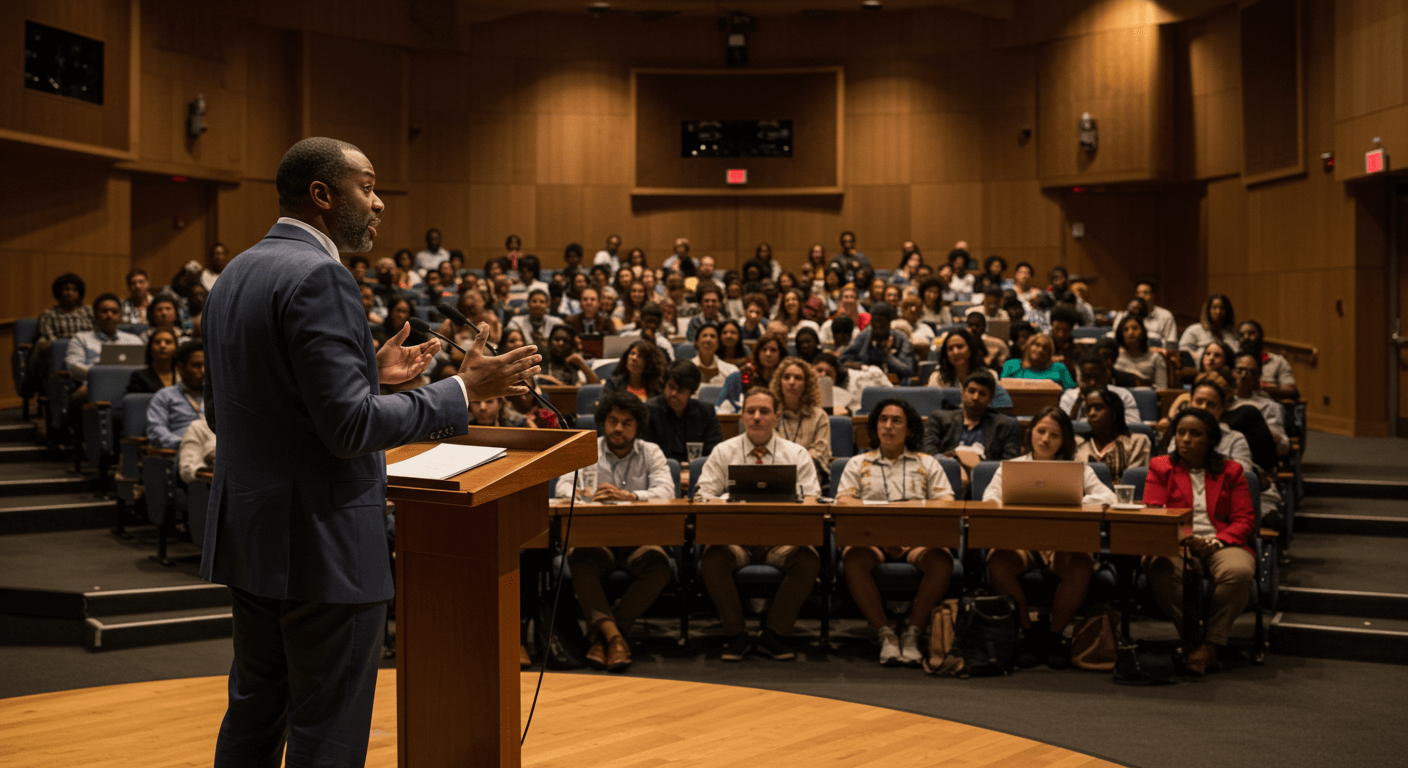
Public speaking is one of the most powerful tools for influence, motivation, and change. Whether you’re delivering a keynote address, a business pitch, a wedding toast, or a political campaign speech, the ability to craft an impactful speech can set you apart.
But what makes a speech truly memorable? Why do some speeches echo through history while others fade into obscurity? The answer lies in structure, storytelling, emotion, and authenticity.
In this guide, we’ll break down the essential elements of writing and editing a speech that captivates, inspires, and moves your audience.
1. Understanding Your Audience: The Foundation of Impactful Speeches
Before you write a single word, you must know who you’re speaking to. A speech that resonates with corporate executives may fall flat with college students. Understanding your audience’s:
- Demographics (age, profession, cultural background)
- Interests and values
- Pain points and aspirations
…will shape your tone, examples, and call to action.
Example: Martin Luther King Jr.’s “I Have a Dream” speech was powerful because it spoke directly to the hopes and struggles of millions fighting for civil rights.
How to Analyze Your Audience:
- Conduct surveys or interviews beforehand.
- Research industry trends if speaking at a conference.
- Observe body language during your speech and adjust in real-time.
2. Crafting a Strong Opening: Hook Them in 30 Seconds
The first 30 seconds determine whether your audience leans in or tunes out. A weak opening lead to disengagement; a strong one commands attention.
Powerful Opening Techniques:
✅ Start with a shocking statistic:
“Every 40 seconds, someone in the world takes their own life. Today, we must change that.”
✅ Ask a provocative question:
“What if I told you that everything you know about success is wrong?”
✅ Tell a personal story:
“Five years ago, I was homeless. Today, I stand before you as a CEO.”
✅ Use a bold statement or quote:
“‘The only thing we have to fear is fear itself.’ But what if fear is exactly what we need?”
Pro Tip: Avoid clichés like “Today, I’m honored to be here…”—jump straight into something gripping.
3. Structuring Your Speech for Maximum Impact
A great speech follows a clear, logical flow. The classic structure is:
A. Introduction (10%)
- Hook the audience.
- State your central message (thesis).
B. Body (80%)
- Main Point 1 + Supporting evidence (story, data, analogy).
- Main Point 2 + Supporting evidence.
- Main Point 3 + Supporting evidence.
*(Limit to 3-5 key points for clarity.)*
C. Conclusion (10%)
- Reinforce the main message.
- End with a call to action (CTA) or thought-provoking closing.
Example: Steve Jobs’ 2005 Stanford Commencement Speech followed this structure flawlessly:
- Hook: “Today, I want to tell you three stories from my life.”
- Body: Three personal stories (connecting the dots, love & loss, death).
- Conclusion: “Stay hungry. Stay foolish.”
4. The Power of Storytelling in Speeches
Facts tell, but stories sell. The human brain is wired to remember narratives over data.
How to Incorporate Storytelling:
- Use personal anecdotes (vulnerability builds trust).
- Follow the hero’s journey (challenge → struggle → triumph).
- Paint vivid imagery (“It was a cold, rainy night when I realized…”).
Case Study: J.K. Rowling’s Harvard speech on failure used her own rags-to-riches story to illustrate resilience.
5. Using Rhetorical Devices for Persuasion
Great speakers use rhetorical techniques to make their words stick:
🔹 Repetition (“I have a dream…”)
🔹 Triads (“Government of the people, by the people, for the people.”)
🔹 Metaphors & Analogies (“Life is like a camera—focus on what’s important.”)
🔹 Contrast (“Ask not what your country can do for you—ask what you can do for your country.”)
Pro Tip: Study speeches by Winston Churchill, Barack Obama, and Malala Yousafzai for masterful rhetoric.
6. Mastering Delivery: It’s Not Just What You Say, But How You Say It
Even the best-written speech falls flat with poor delivery. Key techniques:
A. Vocal Variety
- Pace: Slow down for emphasis, speed up for excitement.
- Pitch & Tone: Avoid monotony; use emotion in your voice.
- Pauses: Let key points sink in (“The most powerful tool… is silence.”)
B. Body Language
- Eye contact (builds connection).
- Gestures (open palms = trust, pointing = emphasis).
- Posture (stand tall, avoid fidgeting).
C. Practice, Practice, Practice
- Rehearse out loud (not just in your head).
- Record yourself to spot filler words (“um,” “like”).
- Do a mock presentation for feedback.
Example: Watch TED Talks—speakers like Simon Sinek and Brené Brown excel in delivery.
7. Ending with a Bang: The Call to Action
A weak ending kills momentum. Your conclusion should:
✔ Summarize key points (without repeating verbatim).
✔ Inspire action (“Let’s build a future where…”).
✔ Leave a lasting impression (quote, challenge, or powerful statement).
Strong Closing Examples:
- “The world needs your voice. So speak up, take action, and let’s make history together.”
- “In the end, we only regret the chances we didn’t take. What will you dare to do?”
8. Overcoming Speech Anxiety
Even seasoned speakers get nervous. How to manage fear:
✅ Reframe nervousness as excitement (your body reacts similarly to both).
✅ Breathe deeply (calms the nervous system).
✅ Focus on the audience, not yourself (it’s about serving them).
✅ Start small (practice in front of friends first).
Remember: The audience wants you to succeed.
Final Thoughts: Your Speech Can Change the World
From Lincoln’s Gettysburg Address to Oprah’s Golden Globes speech, words have the power to move nations. By mastering structure, storytelling, and delivery, you can craft speeches that don’t just inform—they transform.
Now, go write something unforgettable. The stage is yours.
Key Takeaways:
🔹 Know your audience—speak to their needs.
🔹 Hook early—grab attention in the first 30 seconds.
🔹 Structure matters—clear intro, body, conclusion.
🔹 Stories > stats—emotional connection wins.
🔹 Rhetoric enhances persuasion—use repetition, triads, contrasts.
🔹 Delivery is key—practice vocal variety and body language.
🔹 End strong—call to action or thought-provoking close.