
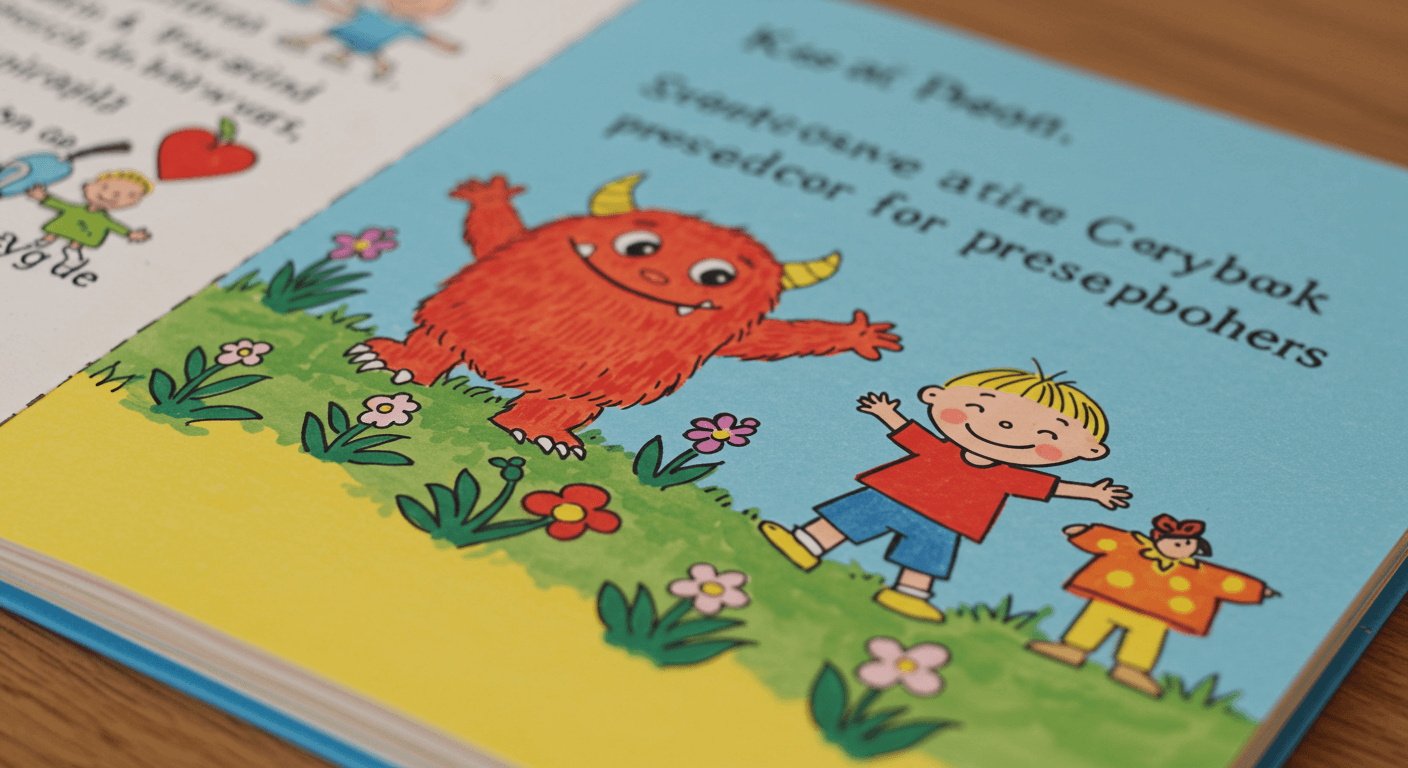
The idea of writing a children’s book for preschoolers often sparks joy. Imagine tiny faces lighting up as they listen to your words, or small fingers tracing the illustrations you helped bring to life. But how do you create a story that truly connects with this very young audience? It’s a unique challenge, one that requires a deep understanding of early childhood development and the specific needs of little learners. As a ghostwriter, crafting stories for preschoolers has offered a fascinating glimpse into the world of early literacy and the magic of simple storytelling.
Writing a preschool storybook isn’t just about coming up with a cute idea. It’s a thoughtful process of building a narrative that is both engaging and appropriate for children aged approximately two to five years old. It involves considering their limited attention spans, their developing language skills, and their need for clear, repetitive, and often brightly illustrated content.
The Seed of an Idea: Where Do Stories for Little Ones Begin?
Every great preschool storybook starts with a spark. But what kind of sparks ignite these particular tales?
- Everyday Experiences: The familiar is often the most fascinating for preschoolers. A trip to the park, getting ready for bed, making a new friend, or even dealing with a spilled juice box can become the foundation for a relatable and engaging story. What if a child’s favorite toy goes on an unexpected adventure around the house?
- Simple Concepts: Preschoolers are learning about the world around them. Stories can be built around basic concepts like colors, shapes, numbers, letters, animals, emotions, or daily routines. What if a mischievous cat explores different shapes hidden in the living room?
- Curiosity and “Why” Questions: Young children are inherently curious. Stories can explore simple cause-and-effect scenarios or answer basic “why” questions in an imaginative way. Why does the sun go down? What makes the little bird sing?
- Repetition and Rhyme: The rhythm and predictability of repetition and rhyme are incredibly appealing and beneficial for language development in preschoolers. Think of classic nursery rhymes or simple songs. What if a story builds on a repetitive phrase or a consistent rhyming pattern?
- Character-Driven Ideas: Sometimes, a compelling character is the starting point. It could be a friendly monster, a brave little animal, or a curious child. What kind of adventures would a sleepy sloth have trying to get to school?
For a ghostwriter, the initial idea for a preschool book often comes from a client. They might have a specific educational goal, a beloved character, or a simple concept they want to explore. The ghostwriter’s role then becomes to take that spark and shape it into a narrative that is perfectly suited for a preschool audience, keeping in mind their unique developmental stage.
The Building Blocks: Essential Elements of a Preschool Storybook
Before even thinking about individual words or pictures, certain core elements must be firmly in place. These are the foundations upon which a successful preschool story is built.
1. The Simple Premise: Clear and Concise
Unlike a complex novel, a preschool storybook needs a very straightforward premise. It should be easy for a child (and their parent reading to them) to grasp immediately. What is the main thing that happens? What does the character want or do?
- Example: “A little bear looks for his lost blanket before bedtime.”
- Example: “A group of animals learns to share their favorite toy.”
For a ghostwriter, defining this simple premise with the client early on is crucial. It acts as a guiding star, ensuring everyone is on the same page about the core message and plot, preventing the story from becoming too complicated for its intended audience.
2. Relatable Characters: Small and Understandable
Characters in preschool books need to be easy for young children to connect with. They are often animals, simple fantastical creatures, or children themselves.
- Protagonist (Main Character): Who is the story about? They should have clear, simple emotions and motivations. They often represent a child’s own feelings or experiences. Is the character happy, sad, curious, or determined?
- Limited Cast: Keep the number of characters small to avoid confusion. Two or three main characters are usually plenty.
- Clear Traits: Each character should have one or two very distinct and easy-to-understand traits. Is the bunny bouncy? Is the owl wise?
Ghostwriting for preschoolers often involves creating characters that are visually appealing and emotionally accessible, making sure they resonate with the innocence and curiosity of early childhood.
3. Engaging Setting: Familiar or Fantastical, But Clear
The setting of a preschool storybook should either be very familiar to a child (like a home, a park, or a school) or a brightly imagined, yet simple, fantastical place.
- Consistent Background: The setting should remain consistent throughout the story to avoid confusing the child. If the story starts in a forest, it should largely stay in that forest, or transitions should be very clear.
- Visually Rich: While the words are simple, the setting should offer plenty of opportunities for engaging illustrations. Think about colors, textures, and details that would appeal to a child’s eye.
- Purposeful: The setting should play a role in the story, even if it’s just providing the backdrop for the action.
When ghostwriting, the client might have a specific setting in mind, or the ghostwriter might suggest one that best complements the story’s theme and characters, always prioritizing visual appeal and clarity.
4. Simple Conflict/Challenge: Understandable and Resolvable
Every story needs a conflict or a small challenge to drive the plot. For preschoolers, this conflict must be very simple, non-threatening, and quickly resolved. It’s often a mild problem that the main character overcomes.
- Examples: Losing a toy, figuring out how to share, learning a new skill, dealing with a small fear, or finding something.
- No High Stakes: The conflict should never be too scary or involve complex moral dilemmas. The goal is gentle engagement, not anxiety.
- Positive Resolution: The conflict should always have a clear and positive resolution, providing a sense of comfort and satisfaction.
The ghostwriter’s role is to identify a simple, age-appropriate conflict that allows for a clear story arc without overwhelming the young reader.
5. Clear Theme/Lesson: Gentle and Positive
What is the story really about? Preschool stories often subtly teach a simple lesson or reinforce a positive value. Themes can include sharing, friendship, kindness, persistence, trying new things, or understanding emotions.
- Subtle, Not Preachy: The lesson should be woven naturally into the narrative, not stated directly or in a preachy way. Children learn best through example and gentle exposure.
- Age-Appropriate: The theme must be something a young child can grasp and relate to in their own lives.
For a ghostwriter, sometimes the client has a specific educational theme in mind, or the theme might emerge naturally as the simple plot and characters develop.
The Story Arc: A Gentle Journey
Even simple preschool stories benefit from a clear, if understated, narrative arc. This provides a satisfying beginning, middle, and end without being complex.
1. The Beginning: Introduce and Engage
- Introduce Character and Setting: Quickly show the main character and where they are.
- Establish the Situation: Introduce the simple routine or the beginning of the small problem.
- The “Spark”: A simple event that starts the story, like the bear realizing his blanket is gone.
2. The Middle: Simple Action and Repetition
- Rising Action (Gentle Exploration): The character takes a few simple, sequential steps to deal with the problem. This is where repetition often comes into play. For example, the bear looks for his blanket under the bed, then in the closet, then behind the curtain.
- Repetitive Phrases/Actions: This is key for preschoolers. A recurring sound, phrase, or action (“Not here, bear!”) builds predictability and encourages participation.
- Simple Obstacles: The character might encounter one or two very minor setbacks that are easily overcome.
3. The Climax (Mini-Peak): The Problem Solved
- Discovery/Resolution: The moment the simple problem is solved. The bear finds his blanket! This is the peak of the gentle tension.
4. The End: Comfort and Conclusion
- Falling Action (Brief): A very quick wrap-up after the problem is solved. The bear snuggles with his blanket.
- Resolution: The new, peaceful normal. Often reinforces the theme or brings the story back to the starting point in a positive way (e.g., the bear is now ready for bed).
- Satisfying Close: A clear ending that provides a sense of comfort and completion.
As a ghostwriter, outlining these simple beats ensures the story flows logically and provides the comforting predictability that preschoolers crave. This collaborative outlining process with the client helps create a structure that is engaging without being overwhelming.
The Ghostwriter’s Special Ingredients: Beyond the Structure
Beyond the mechanics of story creation, a ghostwriter brings a unique set of skills particularly valuable for preschool storybooks.
- Understanding the Audience (Little Humans!): This is paramount. A ghostwriter knows that preschoolers learn through play, repetition, and sensory experiences. They understand that language must be simple, sentences short, and concepts concrete. They consider how a child’s developing brain processes information.
- Mastery of Rhyme and Rhythm (if applicable): If the client wants a rhyming book, a ghostwriter is skilled at creating rhymes that don’t feel forced and maintain a natural rhythm, which is crucial for read-aloud appeal. Bad rhymes can make a book clunky and hard to read aloud.
- Focus on Read-Aloud Appeal: Preschool books are almost always read aloud by an adult. A ghostwriter ensures the text flows well, is easy to enunciate, and offers opportunities for expressive reading (e.g., sound effects, varied voices).
- Visual Storytelling Awareness: While the ghostwriter writes the words, they are constantly thinking about the illustrations. They write in a way that provides clear cues for an illustrator, leaving room for visual humor or detail without over-describing. They understand that the pictures will carry a huge part of the narrative weight.
- Repetition with Purpose: Repetition in preschool books isn’t just filler; it’s a powerful learning tool. A ghostwriter uses repetition strategically to reinforce concepts, build vocabulary, and create a comforting predictability that children love. This might involve repeating a phrase, a sentence structure, or a sound.
- Problem-Solving for Simplicity: Often, a client might have an idea that is too complex for a preschooler. A ghostwriter excels at simplifying plots, characters, and language without losing the essence of the story, ensuring it remains accessible and enjoyable.
- Professionalism and Collaboration: Building trust is key. A ghostwriter works professionally, meeting deadlines and communicating clearly, all while respecting the client’s original vision and keeping their ideas confidential.
The Journey to Publication: From Words to Wonderful Books
Creating a preschool storybook is an iterative journey of writing, revising, and refining.
First Draft: Simplicity is Key:
The goal of the first draft is to get the basic story down. Focus on the simple plot, the characters, and the general flow. Don’t worry about perfection yet.
Read Aloud Test:
Once the first draft is complete, read it aloud. Does it flow well? Are there any tongue-twisters? Does it feel right for a preschooler’s ear?
Feedback (from the right audience!):
Share the manuscript (even without illustrations) with parents or early childhood educators. Their feedback on clarity, engagement, and age-appropriateness is invaluable. If possible, test with actual preschoolers (with parental permission, of course!). Do they stay engaged? Do they understand?
Revision: Polishing the Gem:
This is where the story truly shines. Revision for a preschool book involves simplifying language, tightening sentences, ensuring consistent rhythm, and making sure every word serves a clear purpose for the young reader and listener. It also involves thinking about how the words will work with illustrations.
For a ghostwriter, the revision process is often highly collaborative with the client. Client feedback is integrated, and multiple rounds of revisions might be necessary to ensure the final manuscript is perfectly suited for its intended audience and the client’s vision.
Conclusion: Your Story, Their Smile
Creating a storybook for preschoolers is a special art. It demands creativity, a deep understanding of young children, and a commitment to clear, engaging storytelling. From the first simple idea to the carefully chosen words, each step builds upon the last, turning a small concept into a treasured book that can bring joy and learning to little minds.