
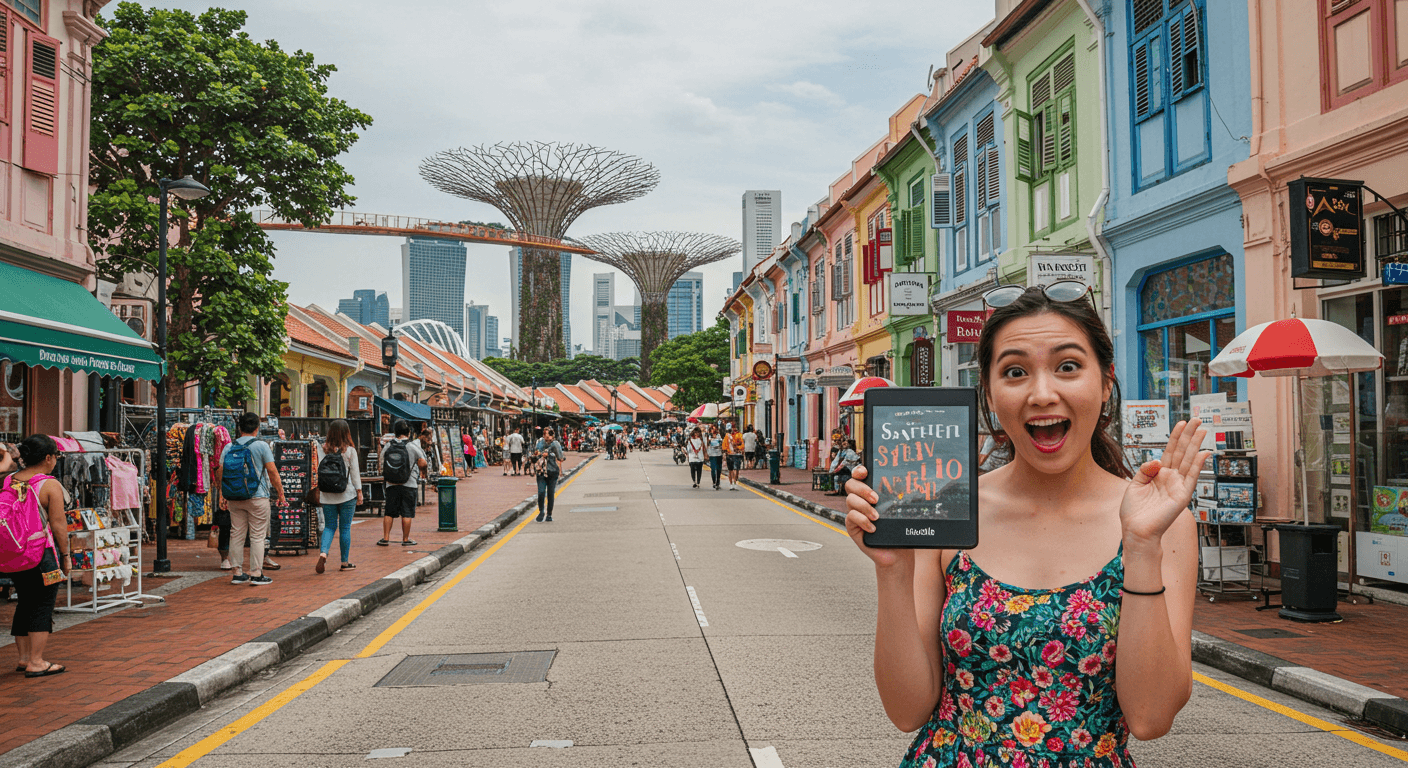
Singapore, a bustling global hub renowned for its innovation, efficiency, and melting pot of cultures, is rapidly becoming a compelling landscape for authors aspiring to self-publish. Gone are the days when a traditional publishing deal was the only path to seeing your words in print. Today, the power is firmly in the author’s hands, offering unprecedented creative control, higher royalty rates, and a direct connection to readers across the globe.
Self-publishing in Singapore isn’t just about bypassing gatekeepers; it’s about leveraging a sophisticated infrastructure, connecting with a discerning readership, and building your brand as an independent author-entrepreneur. While the global principles of self-publishing apply, understanding the local nuances – from ISBN registration to printing and distribution within this unique market – is key to your success.
This comprehensive guide will walk you through every critical step, empowering you to launch your book with confidence and make your mark in Singapore’s vibrant literary scene.
The Singapore Edge: Why Self-Publish Here?
Before we dive into the nuts and bolts, let’s appreciate the distinct advantages of self-publishing from Singapore:
- Strategic Location: Singapore’s position as a regional and global hub provides excellent access to international distribution networks and a diverse, highly literate population.
- Strong Economy & High Literacy: A robust economy and a population with a high literacy rate (over 97%) mean a strong potential readership with disposable income for books.
- Multicultural Resonance: Write stories that reflect Singapore’s unique blend of cultures (Chinese, Malay, Indian, Eurasian), languages (English, Mandarin, Malay, Tamil), and experiences, finding a deep connection with local readers.
- Efficient Infrastructure: Singapore boasts excellent digital connectivity and reliable postal services, which are advantageous for online sales and direct distribution.
- Growing Independent Scene: A burgeoning community of independent artists and creators fosters a supportive environment for self-published authors.
However, embracing this freedom means embracing responsibility. As a self-published author in Singapore, you are not just a writer; you are also an editor, designer, marketer, and business manager. Prepare to wear multiple hats with pride.
Phase 1: Pre-Publication Excellence – Crafting a Polished Book
Your book’s quality is paramount. It’s your handshake with the reader, your silent ambassador. Investing here pays dividends in reader satisfaction and positive reviews.
- Write Your Manuscript with Precision: This is the foundation. Whether it’s a gripping thriller set amidst Singapore’s HDB flats, a insightful non-fiction guide on navigating the city’s unique business landscape, or a collection of poetry inspired by its lush gardens, dedicate yourself to creating compelling, well-structured content. Focus on strong storytelling, meticulous research, and a clear, engaging voice.
- The Indispensable Role of Professional Editing: Do not, under any circumstances, skip professional editing. This is the single most critical investment you will make. A poorly edited book screams “amateur” and will quickly lose readers.
- Types of Editing: Seek out various layers of editing:
- Developmental Editing: Focuses on the big picture – plot, character arcs, pacing, structure, and overall narrative coherence.
- Line Editing: Polishes your prose at a sentence level, improving clarity, flow, word choice, and tone.
- Copy Editing: Corrects grammar, spelling, punctuation, syntax, and ensures consistency. This is the bare minimum.
- Proofreading: The final check for any lingering typos or formatting errors just before publication.
- Finding Editors: Look for reputable freelance editors on global platforms (e.g., Reedsy, Editorial Freelancers Association) or explore local Singaporean writing communities, universities, or literary agencies for recommendations. Some Singaporean self-publishing service providers also offer editing packages.
- Estimated Cost: This is typically your largest expense, ranging from S2,500toS7,000+ for a standard-length book, depending on the depth of editing required.
- Types of Editing: Seek out various layers of editing:
- A Cover That Captivates: Professional Design is Key: Your book cover is its most crucial marketing tool. It must be eye-catching, genre-appropriate, and professional, instantly communicating what your book is about. In a crowded digital marketplace, a stunning cover makes your book stand out.
- Hire a Pro: Invest in a professional graphic designer with experience in book cover design. They understand visual hierarchy, typography, and genre conventions. Avoid DIY covers unless you have a strong design background.
- Local Nuances: If your book has a distinct Singaporean theme, ensure the cover subtly incorporates elements that resonate with the local market without alienating international readers.
- Visibility: Ensure the design is legible and appealing even when viewed as a small thumbnail on online retail sites.
- Estimated Cost: Expect to pay S600−S2,000+ for a high-quality, original cover design.
- Interior Formatting: The Reading Experience: This involves meticulously arranging your text and other elements on the page for optimal readability in both ebook and print formats. Poor formatting can make even a brilliant story difficult to read.
- Ebook Formatting: Requires specific file types (EPUB, MOBI for older Kindles) and ‘flowable’ text that adapts seamlessly to various screen sizes and fonts.
- Print Formatting: Involves setting trim size, margins, fonts, chapter headings, and ensuring no awkward line breaks (“widows” or “orphans”).
- DIY vs. Professional: While basic tools like Kindle Create are free, a professional formatter ensures a polished, industry-standard layout.
- Estimated Cost: S100−S1,000, depending on complexity and whether you opt for DIY or professional services.
- Obtain an ISBN from the National Library Board (NLB) Singapore: This is a crucial, Singapore-specific step for formal publication. An International Standard Book Number (ISBN) is a unique commercial book identifier.
- Requirement: An ISBN is essential for both print books and ebooks if you plan to distribute them widely (e.g., through bookstores, libraries, or global aggregators). It is mandatory for legal deposit in Singapore.
- How to Apply: You can apply for ISBNs directly through the National Library Board (NLB) Singapore. The application is usually done online via their website.
- You’ll need to register as a publisher (even if you’re an individual author).
- Provide details about your book, including title, author, format, and publication date.
- Legal Deposit: Once published, you are legally required under the National Library Board Act to deposit two copies of your book (print or digital, depending on format) with the NLB within one month of publication. This ensures your work is preserved in the national collection.
- Estimated Cost: As of recent information, obtaining an ISBN from NLB for Singapore-based publishers/authors is free of charge.
Phase 2: Publishing & Distribution – Reaching Your Audience
With your perfected book and ISBN in hand, it’s time to choose the platforms that will carry your story to readers in Singapore and beyond. A multi-pronged strategy often yields the best results.
- Printing Your Book (for Physical Copies): For authors wanting physical books, you have two primary options:
- Print-on-Demand (POD): Services like Amazon KDP Print and IngramSpark offer POD, meaning books are only printed when a customer orders them. This eliminates upfront printing costs and inventory management, making it ideal for international distribution.
- Local Singaporean Printers: For larger print runs, better unit costs, or if you plan to sell direct through local channels, engaging a local Singaporean printer is a smart choice.
- Research: Look for reputable local printing companies (e.g., Print City, Allegro Print, or others specializing in book printing).
- Quotes: Obtain quotes for different quantities, paper types, binding (perfect bound, hardcover), and finishes.
- Quality Control: Always request samples and ensure the print quality meets your high standards.
- Estimated Cost: Highly variable. POD has no upfront cost per copy (it’s deducted from royalties). Local print runs can range from S5−S20+ per copy depending on quantity, pages, and specifications.
- Choosing Your Publishing Platforms: Maximize your reach by distributing through key channels:
- Amazon Kindle Direct Publishing (KDP): The dominant global player for ebooks and print-on-demand. Essential for reaching a vast international audience, including many Singaporean readers who prefer Amazon. Offers up to 70% royalties for ebooks. You can link your Singaporean bank account for direct deposits.
- IngramSpark: Provides wide distribution to thousands of online retailers, physical bookstores (globally and potentially in Singapore if bookstores order from Ingram), and libraries. Crucial for authors seeking broad international discoverability and a professional presence. They have a one-time setup fee per title (often waived with promo codes) and a small fee for revisions.
- Regional & Global Aggregators (e.g., Draft2Digital, PublishDrive): These services simplify distribution by allowing you to upload your book once and then distribute it to multiple major retailers (Apple Books, Kobo, Barnes & Noble, etc.) from a single dashboard. They take a small percentage of your royalties for their convenience.
- Direct Sales via Your Website: For maximum profit retention and direct customer relationship building, sell signed copies directly from your author website. You’ll need to integrate a payment gateway (e.g., Stripe, PayPal, or local options like PayNow/PayLah if integrating with specific solutions) and manage local shipping logistics.
- Strategic Pricing: This is a critical decision. Research comparable books in your genre and niche, both locally and internationally. Understand how pricing impacts your royalty rates on different platforms. Be prepared to adjust your price for promotions or series strategies (e.g., making the first book in a series free or discounted). Consider the perceived value for Singaporean readers versus international markets.
Phase 3: Marketing & Promotion – Getting Discovered in the Lion City and Beyond
Publishing your book is merely making it available; marketing is how you compel people to buy it. This is where your entrepreneurial hat truly shines.
- Build Your Author Platform (Start Early!): Your author platform is your direct line to your readers and your foundation for long-term success.
- Author Website/Blog: Your central online hub. Professional, mobile-friendly, and a place to share updates, insights, and content related to your book’s themes.
- Email List: Your most powerful marketing asset. Offer a “reader magnet” (e.g., a free short story, a bonus chapter, a helpful guide) to incentivize sign-ups. This provides a direct, algorithm-proof connection to your most engaged readers.
- Social Media: Identify platforms where your target audience (both local and international) spends time (e.g., Facebook, Instagram, TikTok, X, Goodreads). Engage consistently, share valuable content, and interact with other authors and readers.
- Pre-Launch Buzz & Launch Strategy: Generate excitement and momentum before and during your book’s release.
- Announce Your Book: Share cover reveals, blurbs, and release dates across your platform.
- Beta Readers & Advance Reader Copies (ARCs): Get early feedback and, crucially, secure early reviews. Reach out to Singaporean book bloggers, bookstagrammers, and reviewers in exchange for honest reviews.
- Pre-orders: Encourage pre-orders, especially on Amazon, as they can significantly boost your launch-day rankings.
- Launch Day: Send out an email blast to your list, execute a social media blitz, and consider a temporary launch discount or a KDP Select Countdown Deal to incentivize early purchases.
- Localised Marketing Strategies for Singapore: Tailor your approach to resonate with the Singaporean market.
- Singaporean Book Fairs & Events: Actively participate in local literary events like the Singapore Writers Festival, Asian Festival of Children’s Content (AFCC), or various community book fairs. These are fantastic for direct sales, networking, and gaining visibility.
- Approach Local Bookstores: While challenging, directly approach independent bookstores (e.g., BooksActually, Kinokuniya, MPH, Popular) in Singapore. Offer consignment deals (they pay you when the book sells) or wholesale terms. Having a professional presentation and an IngramSpark presence will help.
- Singaporean Book Bloggers & Influencers: Partner with local book reviewers, literary influencers, or online communities who cater to your genre. Authentic reviews from trusted local voices are invaluable.
- Media Outreach: Pitch your book and story to local newspapers (e.g., The Straits Times, Lianhe Zaobao), magazines, or online lifestyle portals that cover arts and literature. Highlight your unique Singaporean perspective.
- Collaborate with Local Authors: Network with other self-published and traditionally published authors in Singapore. Cross-promotion, shared events, or collaborative projects can expand your reach.
- Community Engagement: Attend literary workshops, book launches, and writer meetups in Singapore. Building relationships within the local literary scene is vital for support and opportunities.
- Digital Advertising for Global Reach: Complement your local efforts with targeted digital campaigns.
- Amazon Ads (AMS): Highly effective for targeting readers who are already Browse on Amazon for books. Experiment with different ad types, keywords, and audience targeting.
- Facebook/Instagram Ads: Powerful for reaching specific demographics and interests, allowing you to target users within Singapore or globally.
- Goodreads Giveaways/Ads: Reach a large community of avid readers who are actively looking for new books.
Financial Aspects: Making Money as a Singaporean Author
Understanding the economics is crucial for building a sustainable author career.
Cost Breakdown (Estimated in S$):
-
- Editing: S2,500−S7,000+
- Cover Design: S600−S2,000+
- Interior Formatting: S100−S1,000
- ISBN/Legal Deposit: Free (from NLB)
- Printing (Local): Variable, depending on quantity (e.g., S5−S20+ per copy for a decent paperback).
- Marketing/Advertising: Highly variable. Budget at least S500−S2,000+ for initial campaigns.
- Author Website/Tools: S100−S500 per year (domain, hosting, email service).
The total upfront investment for a high-quality, professionally produced self-published book in Singapore could range from S4,000toS12,000+. This is an investment in your product and business.
Royalty Rates:
-
- Ebooks (Amazon KDP): Up to 70% of the sale price (for specific price ranges).
- Print-on-Demand (Amazon KDP, IngramSpark): Royalties are calculated after printing costs and platform fees.
- Direct Sales: You retain 100% of the revenue (minus payment gateway fees and production cost).
- Bookstores (Consignment/Wholesale): Expect to offer bookstores a 30-40% discount on the retail price.
Diversifying Income Streams:
-
- Multiple Formats: Offer your book in ebook, paperback, hardcover, and audiobook formats to maximize reach and cater to different reader preferences.
- Direct Sales: Selling signed copies at events, markets, or via your website yields higher profit margins.
- Related Products/Services: If your book is non-fiction, leverage it to offer workshops, coaching, speaking engagements, or consulting services. Your book acts as a powerful credibility builder.
- Series Strategy (for Fiction): Writing a series is often the most effective way to build a sustainable income. Readers who enjoy one book are highly likely to purchase subsequent installments, creating a predictable income stream and a loyal fanbase.
Key Takeaways for Singaporean Success
- Uncompromising Quality: A professionally edited and designed book is non-negotiable. It’s your differentiator.
- Embrace the Author-Entrepreneur Mindset: You are running a business. Manage your finances, continuously learn about marketing, and reinvest in your craft.
- Leverage Singapore’s Strengths: Capitalize on its efficient infrastructure, high literacy rate, and strategic location for both local and global reach.
- Localize Your Efforts: While thinking global, don’t forget to tailor your marketing and distribution to resonate with the unique Singaporean market.
- Community Matters: Connect with Singaporean writing groups, attend local literary events, and learn from fellow authors.
- Patience and Persistence: Building a successful author career takes time, dedication, and resilience. Celebrate small victories and keep learning.
- Write More Books: The most consistent path to long-term financial success in self-publishing is to build a backlist of high-quality titles. Each new book helps cross-promote your previous works, creating a virtuous cycle of discoverability.
Self-publishing in Singapore offers a thrilling pathway for authors to share their voices, contribute to the local literary landscape, and connect with readers worldwide. By meticulously planning, investing wisely, and actively engaging in the marketing process, you can transform your manuscript into a successful book and truly make your mark. Your story deserves to be heard – let’s get it to the Lion City shelves and beyond!