
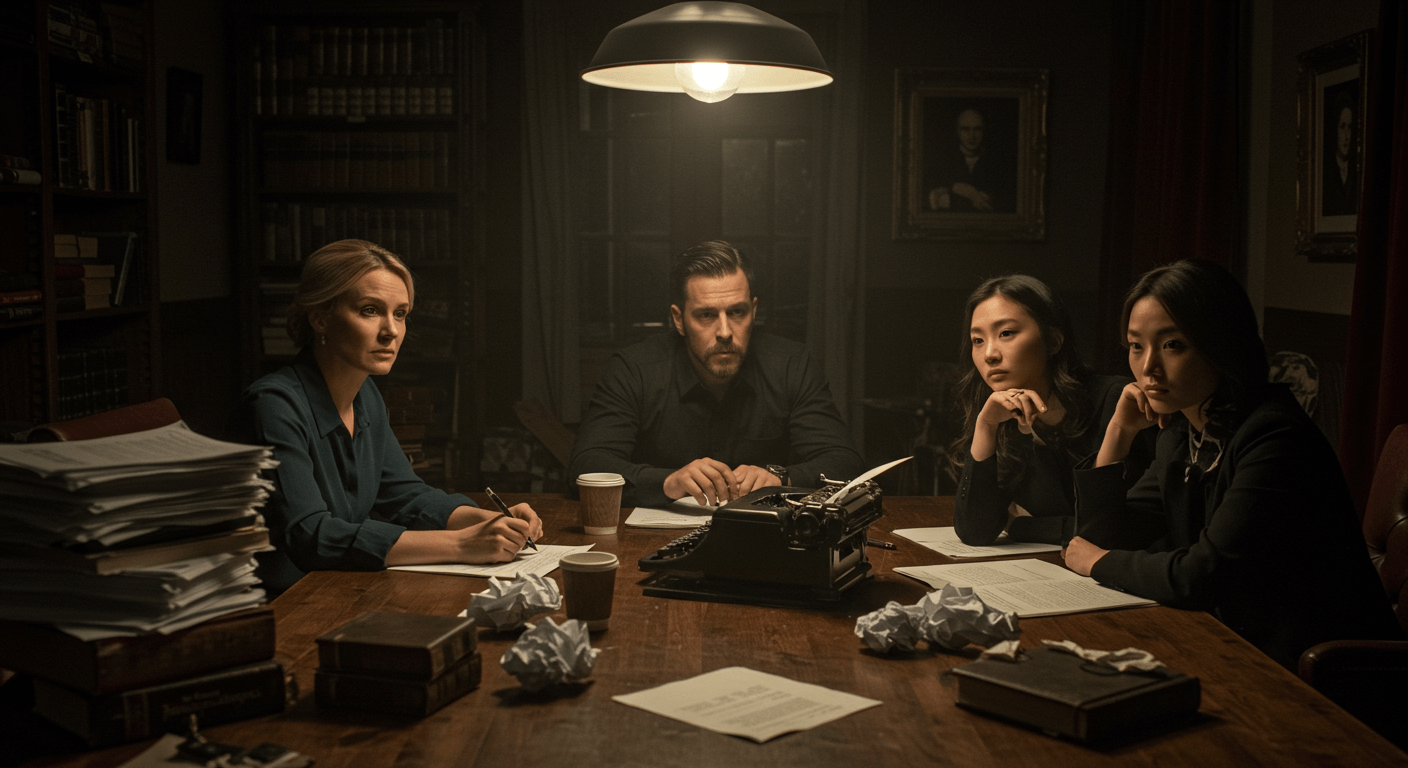
Drama is the beating heart of compelling storytelling. Whether on stage, screen, or the pages of a novel, drama stories captivate audiences with their emotional depth, relatable characters, and powerful conflicts. Writing a good drama story is an art that blends emotional resonance, character development, and narrative tension. But how do you craft a drama story that truly moves your readers? Let’s delve into the essential steps, techniques, and examples to guide your journey.
1. Understand What Makes a Story “Drama”
Before writing, it’s vital to understand what sets a drama story apart from other genres.
Characteristics of Drama Stories:
- Emotional depth: Drama explores the human condition, often focusing on love, loss, betrayal, redemption, family, or personal growth.
- Conflict-driven: At its core, drama is about conflict—internal or external—that propels characters to grow or unravel.
- Realism: Drama stories often mirror real life and avoid the exaggerations found in fantasy or thrillers.
- Character-centric: The story usually revolves around the psychological and emotional development of one or more characters.
A good drama doesn’t just entertain—it connects emotionally and often leaves a lasting impression.
2. Start With a Strong Central Theme
A theme is the foundational message or concept you want your story to convey. It gives the story purpose and direction.
Common Drama Themes:
- Family dynamics (e.g., estranged relationships, generational trauma)
- Love and heartbreak
- Identity and self-discovery
- Moral dilemmas
- Survival and resilience
Example: In Atonement by Ian McEwan, the theme revolves around guilt, redemption, and the irreversibility of certain actions.
Tip: Your entire plot and character arcs should revolve around the chosen theme. Think of it as the compass that guides your story’s moral and emotional tone.
3. Create Deep, Believable Characters
Drama thrives on characters who are multi-layered and emotionally complex. Your readers must feel what your characters feel.
Steps to Craft Strong Characters:
- Backstories: Give your characters rich personal histories that explain their current emotional state and motivations.
- Flaws and strengths: Flawed characters are more relatable. Maybe your protagonist is brave but impulsive, or kind but emotionally repressed.
- Clear desires and goals: Every character should want something—even if they’re unaware of it themselves.
- Internal conflict: Inner struggles are key in drama. A person may want to leave a toxic relationship but feel obligated to stay due to guilt or love.
Tool: Create a character sheet detailing physical traits, psychological background, fears, secrets, hopes, and relationships.
4. Develop a Compelling Conflict
No drama exists without tension. Conflict is the engine that drives your characters toward transformation.
Types of Conflict in Drama:
- Person vs. self (internal conflict)
- Person vs. person (relationship or interpersonal conflict)
- Person vs. society (cultural, legal, or systemic issues)
- Person vs. fate (tragedy, illness, or loss)
Example: In Manchester by the Sea, the protagonist grapples with grief and guilt after a tragic loss, showcasing a painful internal conflict.
Tip: The conflict should escalate gradually, reaching a climax where the stakes are highest. This builds tension and emotional investment.
5. Structure Your Story Effectively
Drama benefits from a well-thought-out narrative arc. You can follow the traditional three-act structure or explore variations like five-act plays (common in classical drama).
Three-Act Structure for Drama:
- Act I – Setup
Introduce the characters, setting, and central conflict. Establish the emotional stakes. - Act II – Confrontation
The conflict intensifies. Characters are tested. Relationships become strained. Secrets may be revealed. - Act III – Resolution
The climax occurs. The protagonist must make a critical choice. The story resolves—either with healing, tragedy, or ambiguity.
Tip: Use subplots to enrich the story, but make sure they connect to the central theme or character arc.
6. Write Natural, Emotionally Charged Dialogue
Dialogue in drama should sound real but be loaded with subtext. What characters don’t say often carries more weight than what they do.
Tips for Writing Drama Dialogue:
- Avoid excessive exposition. Show emotions through actions and tone.
- Let characters interrupt each other, pause, or avoid topics—this mimics real life.
- Use silence effectively. A pause can speak volumes in a dramatic moment.
- Focus on emotional beats—what the character is feeling versus what they’re saying.
Example: In Arthur Miller’s Death of a Salesman, every word in the dialogue adds layers to Willy Loman’s unraveling psyche.
7. Build Tension Through Pacing and Stakes
To keep your readers engaged, increase the emotional tension as the story progresses.
How to Build Tension in Drama:
- Reveal secrets slowly
- Introduce moral dilemmas
- Add emotional consequences to character decisions
- Use time constraints or looming decisions
- Employ foreshadowing and callbacks
Tip: Make your audience care about what’s at stake. If the protagonist fails, what does it mean for them emotionally?
8. Show, Don’t Tell
In drama writing, emotional impact is achieved through showing rather than telling.
Example:
❌ “John was heartbroken.”
✅ “John stared at the empty chair, twisting his wedding ring, the sound of her voice echoing in his memory.”
Use:
- Body language
- Facial expressions
- Symbolism and metaphors
- Setting as reflection of mood (e.g., a stormy night mirroring inner turmoil)
9. Embrace Tragedy or Hope—Or Both
Drama can end with a cathartic tragedy, a hopeful resolution, or even a bittersweet mixture of both.
- Tragic endings leave a deep emotional impact and prompt reflection (e.g., Requiem for a Dream).
- Hopeful endings offer healing or personal growth (e.g., The Pursuit of Happyness).
- Bittersweet endings blend both (e.g., The Fault in Our Stars).
Tip: Choose an ending that honors your theme and character arc.
10. Revise for Emotional Impact
First drafts often miss the emotional mark. During revision, focus on amplifying the emotional arc.
Things to Look For:
- Are the characters’ choices believable and earned?
- Does every scene serve the theme or develop a character?
- Are emotions layered and realistic, not melodramatic?
- Is there consistency in tone and pacing?
Tool: Ask beta readers to highlight scenes that made them feel something—and revise parts that feel flat.
Bonus: Techniques From Famous Drama Writers
- Anton Chekhov: Known for subtle emotions and realism. Use “Chekhov’s Gun” to introduce elements early that have payoff later.
- Tennessee Williams: Focused on raw human vulnerability (A Streetcar Named Desire).
- Chimamanda Ngozi Adichie: Blends personal and political conflicts seamlessly (Half of a Yellow Sun).
- August Wilson: Highlights culture, dialogue, and identity struggles (Fences).
Conclusion: The Soul of a Drama Story
Writing a good drama story isn’t about creating the most shocking twists or dramatic scenes—it’s about crafting an emotional truth that resonates. It’s about building characters so real they breathe, conflicts that dig into the human spirit, and themes that stay long after the last page.
Whether you’re writing a short drama script, a full-length play, or a dramatic novel, remember: the goal is to connect. And connection begins with honesty, vulnerability, and a willingness to explore the messy beauty of being human.