
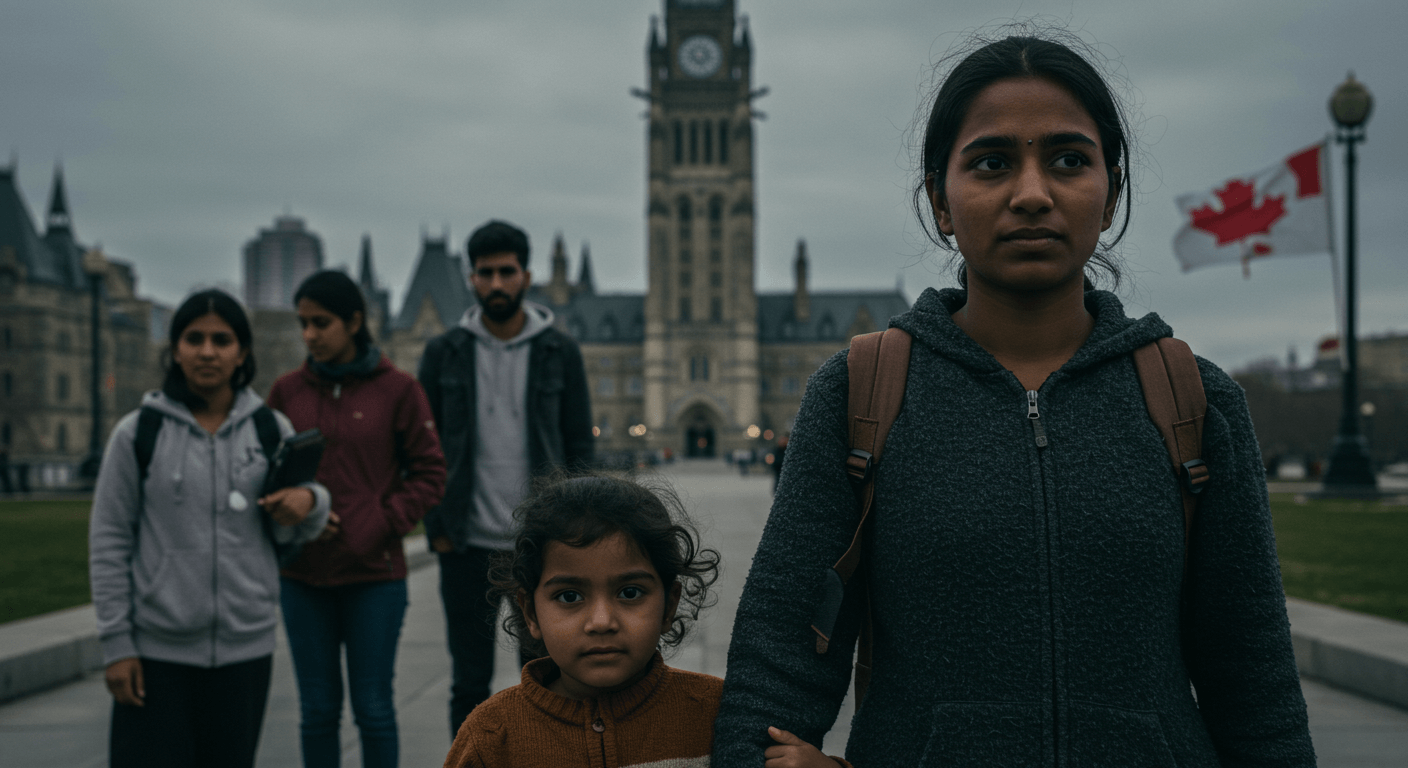
At its heart, an asylum story is one of humanity’s most profound narratives: the desperate flight from danger, the harrowing journey for survival, and the courageous quest for a new beginning. When set against the backdrop of Canada, a nation often seen as a beacon of hope and a land of welcome, these stories gain a unique resonance.
Writing about seeking asylum in Canada isn’t just about documenting a legal process; it’s about exploring the deep emotional, psychological, and physical toll of displacement, the incredible resilience of the human spirit, and the complex realities of building a new life. It demands profound empathy, meticulous research, and a commitment to authenticity.
Whether you’re drawing from real experiences (your own or others’) or crafting a work of fiction, this guide will help you navigate the delicate balance required to tell a powerful and responsible asylum story in the Canadian context.
Phase 1: The Foundation – Research & Authenticity
A compelling asylum story, even a fictional one, must be grounded in truth. Without it, your narrative risks feeling hollow or, worse, perpetuating misconceptions.
1. Deep Dive into the “Why”: The Persecution in the Country of Origin
This is the crucible from which your character’s journey emerges.
- Specific Human Rights Abuses: Go beyond general statements. Research the precise forms of persecution that compel individuals to flee. Is it political detention, religious persecution, forced conscription, gender-based violence, discrimination based on sexual orientation, or belonging to a particular social group targeted by the state or non-state actors?
- Geopolitical Context: Understand the political climate, ongoing conflicts, or oppressive regimes. What specific laws, policies, or actions by authorities or dominant groups create an unbearable threat for your character? Utilize reputable sources like Amnesty International, Human Rights Watch, UNHCR reports, and established journalism outlets that cover human rights.
- The Immediate Threat: What was the specific event or escalating situation that forced your character to make the terrifying decision to flee now? Make it personal, immediate, and impactful.
2. The Journey to Canada: The “How” of Escape and Travel
The flight itself is often a narrative rich with peril and human interaction.
- Escape Routes and Means: Realistically depict how your character leaves their country. Did they walk for days, travel by unreliable boat, cross multiple borders illegally, or use a smuggler? Each method comes with unique risks and logistical challenges.
- Transit Countries: Many asylum seekers don’t come directly to Canada. They may pass through several other countries, facing exploitation, detention, or further danger. This “limbo” period can be a significant part of the journey.
- Physical and Emotional Toll: Describe the exhaustion, hunger, fear, and moments of despair, but also unexpected kindness from strangers. Engage the senses: what did they see, hear, smell, and feel during their escape?
3. Understanding the Canadian Asylum System: The Law and the Land
While you’re not writing a legal textbook, a foundational understanding of the Canadian system is crucial.
- Claiming Asylum: How does one claim asylum upon arrival in Canada (e.g., at an airport, land border, or inland office)?
- The Refugee Protection Division (RPD) Hearing: This is often the central legal tension point. What does it entail? The claimant presents their story, cross-examination by a government lawyer, the role of an interpreter, and the fear of being disbelieved. This is where their past trauma is revisited and scrutinized.
- Support Systems: Research Canadian settlement agencies, legal aid services, mental health resources, and housing initiatives for refugees. What are the common challenges newcomers face (housing insecurity, food banks, language barriers, finding employment)?
- Cultural Context: Understand the nuances of Canadian society. How does the western concept of individualism or multiculturalism impact a newcomer from a collective culture? What are the subtle differences in social norms, communication styles, or attitudes towards authority?
4. Consulting Experts and Testimonies (Ethically)
- Real-Life Accounts: Read published memoirs, documentaries, and academic papers on refugee experiences in Canada.
- Interviews (with extreme caution): If you intend to interview real asylum seekers or professionals (lawyers, settlement workers), prioritize their safety and well-being. Always seek informed consent, guarantee anonymity if requested, and be prepared for the emotional burden. Ensure you are not re-traumatizing anyone.
Phase 2: Crafting the Narrative – The Human Experience
Your story must prioritize the emotional and psychological journey of your protagonist.
1. The Protagonist’s Arc: A Multi-Stage Transformation
- Life Before: Establish their “normal.” Show their aspirations, relationships, daily routines, and cultural context before the persecution. What do they stand to lose? This makes their flight deeply meaningful.
- The Trigger: The specific event that forces them to flee. Make it immediate, terrifying, and personal.
- The Journey: Detail the harrowing escape and travel. Focus on sensory details, moments of desperation, and perhaps unexpected acts of kindness. This phase builds external tension.
- Arrival in Canada: The complex mix of relief, disorientation, culture shock, hope, and lingering fear. What are their first impressions of Canada? How do they navigate a new language, unfamiliar customs, and a bewildering bureaucracy?
- The Waiting Game (The RPD Hearing): This is often the emotional core. Depict the anxiety, the trauma of reliving the past in a formal setting, the fear of being disbelieved, and the profound uncertainty that shapes their daily life. The intricacies of Canadian law become deeply personal here.
- Life in Limbo: Explore the challenges of settling into a new city, trying to build friendships, accessing services, dealing with past trauma, and the constant stress of waiting for a life-altering decision.
- The Decision and Aftermath: The story doesn’t end with the hearing. Whether asylum is granted or denied, what are the long-term consequences? For those granted, the challenges of integration, healing, and finding belonging begin. For those denied, the fear of deportation or the long process of appeal continues. Show the emotional, psychological, and practical impacts.
2. Show, Don’t Tell Trauma: Focus on Impact
Avoid gratuitous or sensationalized descriptions of violence or persecution. Instead, focus on the impact of trauma:
- Physical Manifestations: Tremors, sleeplessness, loss of appetite, hyper-vigilance.
- Psychological Scars: Flashbacks, nightmares, paranoia, difficulty trusting, guilt, depression, anxiety.
- Behavioral Changes: Withdrawal, irritability, hyper-focus, self-medication.
- Use flashbacks sparingly and purposefully, ensuring they serve to deepen understanding of the character’s present struggles.
3. Voice & Perspective: Who Tells the Story?
- First-Person: Offers deep intimacy and immediacy, allowing the reader to inhabit the character’s experience directly. This can be powerful but requires careful handling of a potentially traumatized narrator.
- Third-Person Limited: Provides deep access to the protagonist’s thoughts and feelings while allowing for a slightly broader view of external events.
4. Pacing & Tension: A Journey of Suspense and Hope
Build suspense around the escape, the RPD hearing, and the agonising wait for the decision. Mix intense, high-stakes moments with quieter, reflective periods that explore your character’s inner world and moments of hope or unexpected kindness.
5. Thematic Depth: Beyond Survival
Explore profound themes: resilience, identity (lost and found), loss (home, family, self), hope, bureaucracy, justice (or injustice), the meaning of belonging, and the healing process.
Phase 3: Ethical Storytelling – Responsibility & Impact
Writing about asylum is a powerful act, carrying significant ethical responsibilities.
1. Avoid Exploitation & Sensationalism
Your primary goal is to humanize the experience, not to sensationalize trauma for dramatic effect. Portray characters with dignity, complexity, and agency, even in their suffering. Avoid turning them into mere victims.
2. Accuracy vs. Artistic License
While factual context (e.g., details of persecution, aspects of Canadian law) must be accurate, you have artistic license to invent characters, specific events, and dialogue to serve the emotional truth of your narrative. Be clear with yourself (and perhaps your publisher/readers) about what is factual and what is fictionalized.
3. Sensitivity Readers: An Indispensable Step
Work with individuals who have direct lived experience with seeking asylum in Canada, or experts in refugee support/trauma. They can provide invaluable feedback on cultural authenticity, factual accuracy, and whether your portrayal inadvertently causes harm or perpetuates stereotypes.
4. Trigger Warnings & Resources
If your story deals with sensitive topics, include a trigger warning at the beginning of your book. Additionally, provide a list of relevant resources (e.g., Canadian immigration services, mental health support lines, refugee settlement organizations) for readers who may be impacted.
5. Beyond the “Happy Ending”
Be realistic about the challenges that persist even after asylum is granted. Integration is a long process, and trauma has lasting effects. A “happy ending” might be about finding a sense of peace, community, or purpose, rather than a perfect life.
Writing an asylum story in Canada is a profound undertaking. It requires courage, empathy, and a deep commitment to truth. By meticulously researching, thoughtfully crafting your narrative, and prioritizing ethical considerations, you can create a book that not only grips readers but also fosters vital understanding and empathy for those on one of the most challenging human journeys.