
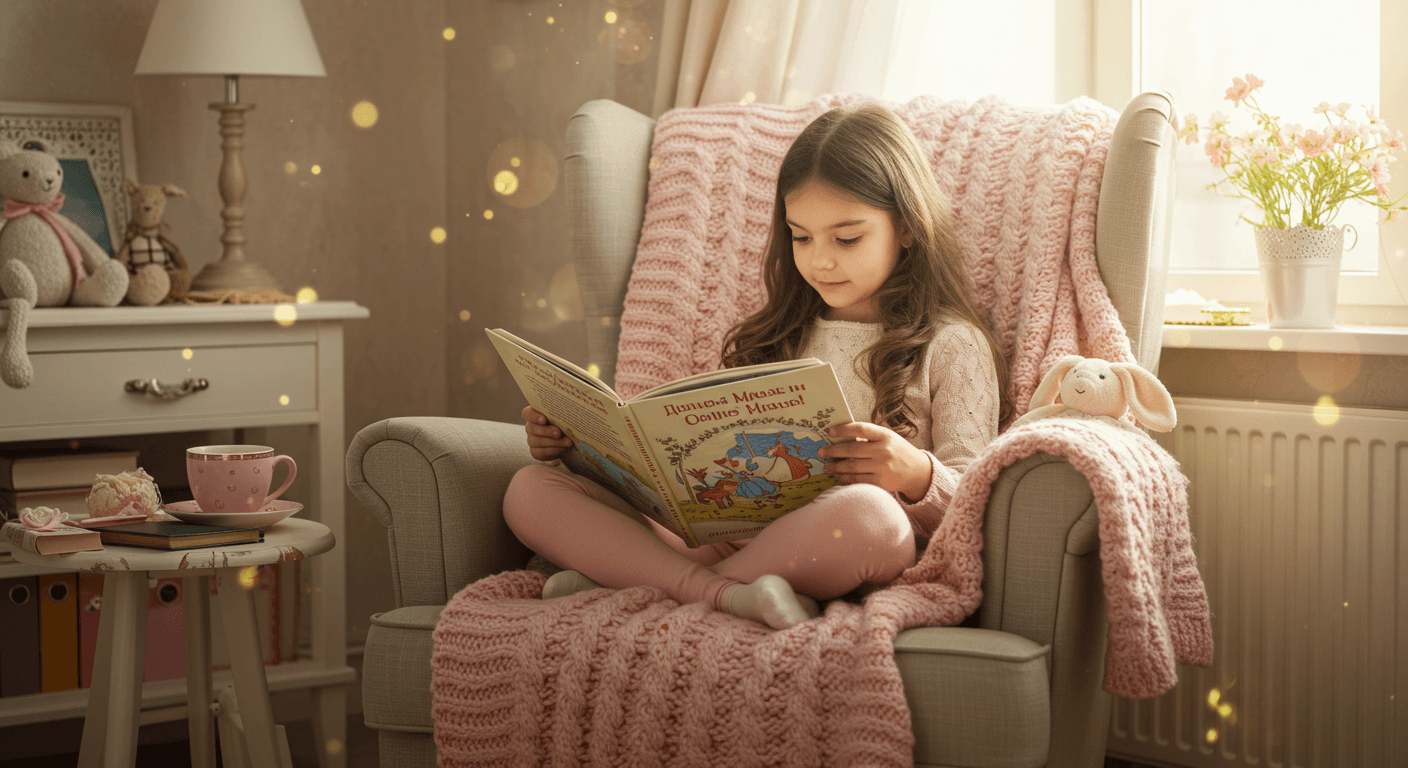
In a world overflowing with plastic toys, blinking screens, and disposable trends, there’s a unique and enduring magic in a personalized book. Imagine giving a little girl a gift that isn’t just for her, but is actually about her. A book where she is the brave hero, the curious explorer, the kind friend, or the whimsical adventurer. This isn’t just a present; it’s a testament to her unique spirit, a cherished keepsake, and a powerful symbol of your love.
Creating a book as a gift for a child girl is one of the most thoughtful and impactful gestures you can make. It’s a gift of your time, your creativity, and a piece of your heart. It strengthens relationships by showing how deeply you see and value her, and it offers a tangible legacy that can be reread and treasured for years to come, long after other toys are forgotten.
If you’ve ever dreamt of crafting such a special treasure, but felt overwhelmed by the blank page, this guide will unlock your inner storyteller. Let’s explore what to write to make her very own book truly unforgettable.
Why a Personalized Book is the Ultimate Gift for a Child
Beyond the “cute factor,” a custom-written book holds profound value:
- A Lasting Keepsake: Unlike toys that break or are outgrown, a personalized book is a tangible memory that she can keep forever, potentially even passing down.
- Empowerment & Self-Esteem: Featuring her as the main character sends a powerful message: she is important, capable, and worthy of her own grand adventures. It mirrors her inherent potential back to her.
- Strengthening Bonds: It’s a shared experience. The act of you writing it, and then reading it together, deepens your connection. It becomes a special story between you.
- Nurturing Imagination & Literacy: A story tailored to her specific interests will captivate her far more than a generic one, fostering a love for reading and inspiring her own creative play.
- Unique & Irreplaceable: In a world of mass-produced items, a custom book is a one-of-a-kind treasure, infused with your personal touch.
Phase 1: Brainstorming & Personalization – The Heart of Your Story
The key to a meaningful personalized book is making it deeply about her.
1. Know Your Audience: The Child Girl You’re Writing For
- Age & Development: This is crucial. A book for a 3-year-old will be vastly different from one for a 9-year-old.
- Toddlers (1-3): Simple concepts, repetitive words, focus on familiar objects, very few pages, vibrant colors.
- Preschoolers (3-5): Simple plot, clear good/bad, focus on emotions, basic problem-solving, relatable experiences (e.g., first day of school, friendship).
- Early Readers (5-8): More complex sentences, slightly longer plot, simple challenges, character development, some imaginative elements.
- Middle Grade (8-12): More intricate plots, deeper themes, moral dilemmas, exploration of identity, longer chapters.
- Her Interests: What truly lights up her eyes? Does she love:
- Animals (especially her pets)?
- Princesses, fairies, dragons, or mythical creatures?
- Science, space, or building things?
- Superheroes, spies, or solving mysteries?
- Sports, dance, or music?
- Nature, gardens, or the ocean?
- Specific TV shows, movies, or book characters?
- Her Personality: Is she shy, brave, curious, silly, adventurous, kind, determined, or thoughtful? Emphasize these traits in her character.
- Her Favorite Things: Include her favorite color, food, toy, blanket, even a funny habit. These small details make the story hers.
2. What Message Do You Want to Convey?
A personalized book is a wonderful vehicle for subtle lessons or affirmations.
- Values: Kindness, bravery, perseverance, honesty, sharing, teamwork, empathy.
- Affirmation: “You are loved,” “You are strong,” “You are capable,” “Your ideas are wonderful.”
- Memories: Recount a special shared memory (e.g., a trip, a funny incident) and weave it into a larger story.
3. Incorporate Her World: Make it Truly Personal
- As the Main Character: Use her real name, and perhaps describe her appearance (hair color, favorite outfit).
- Friends & Family: Include her siblings, parents, grandparents, cousins, or even her real-life best friends or pets as supporting characters.
- Her Environment: Her house, her school, her favorite park, a local landmark, or even her bedroom can become magical settings.
Phase 2: Choosing Your Story Type & Structure
Even a simple story needs a basic framework. Keep it straightforward for young children.
1. Simple Narrative Arc: Beginning, Middle, End
- Beginning: Introduce the main character (her!), the setting, and her normal life.
- Middle: Introduce a problem, a mystery, or an adventure. What does she need to do? What challenges does she face?
- End: How does she solve the problem? What happens next? How does she feel? It should always end on a positive, hopeful, or affirming note.
2. Story Type Ideas: Tailor to Her!
- The Adventure Quest: She goes on a magical journey to find a lost item, rescue a friend, or discover a hidden treasure.
- “A Day in Your Life” with a Twist: A seemingly ordinary day turns extraordinary with a touch of magic, an unexpected visitor, or a small mystery to solve.
- The Moral/Lesson Story: Subtly integrated, not preachy. For example, a story about a character who learns the value of sharing or trying new things, with the main character as the guide.
- Fantasy/Magic Story: She discovers a secret magical power, meets a mythical creature, or travels to an enchanted land. This is the realm of pure fiction.
- The “About You” Book: Focus on her unique qualities, achievements, and the love she brings to the lives of those around her. Each page can highlight a different wonderful trait.
- “When You Grow Up” Story: A whimsical tale about her dreams for the future, based on her current interests (e.g., “When [Her Name] becomes a scientist, she’ll discover a cure for…” or “When [Her Name] becomes a veterinarian, she’ll help all the animals…”).
3. The Power of Rhyme & Repetition (Optional)
- Rhyme: For very young children, rhyming can be engaging and aid memorization. However, don’t force rhymes if they make the story awkward or nonsensical.
- Simple Repetition: Phrases or actions that repeat throughout the story are fun for young listeners and help build anticipation.
Phase 3: Crafting the Content – Bringing Her Story to Life
Once you have your idea and basic plan, it’s time to write!
- Start Strong: Grab her attention immediately, ideally by using her name and hinting at the adventure to come.
- Example: “One sunny morning, deep in her garden, [Child’s Name] discovered a tiny, shimmering key…”
- Vivid Descriptions (Show, Don’t Tell): Use words that appeal to the five senses. Instead of “she was happy,” write “her eyes twinkled like stars, and a wide smile spread across her face, showing her two front dimples.”
- Relatable Conflicts (Simple): Keep the problems age-appropriate and not too scary. A lost toy, a small misunderstanding with a friend, a puzzle to solve, or a challenge that requires bravery.
- Positive Resolution: Always ensure the story ends on a hopeful, happy, or affirming note. She should feel empowered and positive about the outcome.
- Focus on Her Strengths: Use the story to highlight her positive qualities: her kindness, her bravery, her curiosity, her cleverness, her creativity, or her infectious laugh.
- Incorporate Dialogue: Make characters talk! Use simple, natural-sounding conversations. Remember to use quotation marks correctly.
- Keep it Age-Appropriate: Use vocabulary and sentence structures she can understand. Avoid overly complex themes or scary situations for younger children.
- Use Short Sentences & Paragraphs: This makes the story easier for young readers (or listeners) to follow.
- Include Interactive Elements (Optional): For a read-aloud book, you might include simple questions: “What do you think happened next?” or “Can you find the hidden [object] on this page?”
Phase 4: Making It a Physical Book – The Final Touch
The physical presentation transforms your story into a cherished gift.
- Handwritten or Typed:
- Handwritten: Adds an incredibly personal, heartfelt touch. Use neat handwriting.
- Typed: Offers clarity and a professional look. You can print it out and assemble it.
- Illustrations (Crucial for Children’s Books):
- Your Own Drawings: They don’t have to be perfect. Simple stick figures or charming doodles can be incredibly endearing and heartfelt.
- Stickers & Photos: Incorporate real photos of the child, family members, pets, or favorite places. Stickers can add fun visual elements.
- Online Clip Art/Templates: Be mindful of copyright if you use these.
- Collaborate: For older girls, you could even leave blank spaces for her to draw her own illustrations after she receives the book.
- Binding:
- Simple: Staple pages together, punch holes and tie with ribbon, or use binder rings.
- More Formal: Visit a local print shop for comb binding or saddle stitching.
- Print-on-Demand: Services like Lulu Jr. or many independent self-publishing platforms allow you to create and print a single hardcover or paperback book from your digital file.
- Dedication Page: Include a heartfelt dedication to the child, mentioning the date and your relationship. This makes it instantly special.
- “About the Author” (You!): On the back cover or last page, include a fun, short blurb about yourself, the loving person who created this special book.
The act of writing a personalized book for a child girl is more than just putting words on paper; it’s an act of profound love and creativity. It’s a gift that speaks directly to her heart, celebrates her uniqueness, and provides a lasting testament to your bond. It fuels her imagination, encourages her to read, and creates a cherished memory that she can revisit time and time again. So, tap into your imagination, pour in your love, and create a truly magical story for the special girl in your life.