
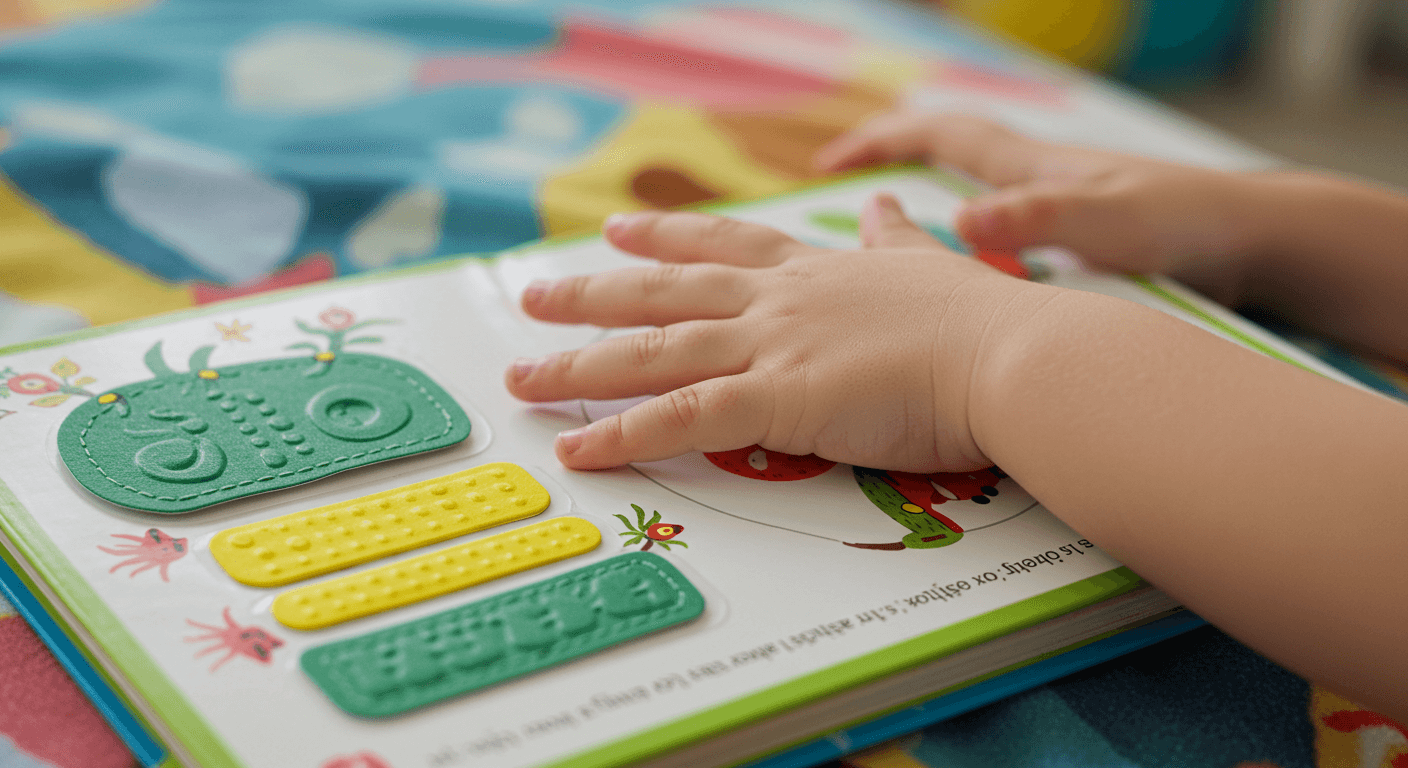
There’s something uniquely magical about a book made especially for a little one. While store-bought books are wonderful, a personalized book created by you holds a special kind of warmth, a tangible piece of your love that can be cherished for years. It’s not about becoming a professional author; it’s about crafting a simple, joyful narrative that speaks directly to the toddler’s world, their heart, and their burgeoning understanding.
This isn’t just a gift; it’s an heirloom, a bonding tool, and a foundational step in a child’s early literacy journey. It offers a unique opportunity to strengthen relationships and create lasting memories. So, if you’re wondering what words to fill those pages, let’s dive into the delightful world of writing for toddlers.
Understanding Your Audience: The Toddler Mind
Before you pick up your pen (or open your design software), step into the shoes of your pint-sized reader. What captures their attention? What do they understand?
- Short Attention Spans: Think in terms of moments, not long narratives. A few words per page spread is often ideal.
- Sensory Engagement: Toddlers respond to vibrant colors, simple, clear shapes, and familiar objects. They learn by seeing, touching, and hearing.
- Repetition is Key: They love predictability. Repeated words, phrases, or actions are comforting and aid in language development.
- Emotional Connection: Books that affirm love, comfort, joy, and security resonate deeply.
- Language Development: Keep vocabulary simple and sentences short. Rhyme and rhythm are incredibly engaging and aid memory.
- Personalization is Powerful: Hearing their own name, seeing familiar faces, or recognizing their favorite toy makes the book instantly captivating.
Core Content Ideas: What Toddlers Love to Read About
The best stories for toddlers are built on familiarity, warmth, and gentle exploration.
1. All About Me (and You!)
Toddlers are wonderfully egocentric – their world revolves around them, and that’s exactly what they want to read about!
- Who They Are: Center the book around the toddler. Use their name frequently. Talk about their unique qualities: “My name is Lily, and I have sparkly eyes!”
- Favorite Things: Feature their favorite toy, blanket, food, or activity. “This is Sparky, Lily’s softest bear. Lily loves to hug Sparky tight!”
- Daily Routines: Turn everyday actions into a story. “First, we wake up! Stretch, stretch, stretch! Then, we eat breakfast. Yum, yum, yum!” This makes the book relatable and reinforces routine.
- Body Parts/Actions: Simple rhymes or sentences about their busy hands, wiggly toes, or happy feet. “My hands can clap, clap, clap. My feet can tap, tap, tap.”
- Family & Friends: Include names and simple descriptions of loved ones, including pets. “Here is Mama, who gives the best hugs. Here is Max, the silly dog who loves to play.” This deepens their understanding of their support system.
2. Simple Adventures
Toddler “adventures” don’t need dragons or faraway lands. Everyday experiences are grand enough!
- Everyday Explorations: A trip to the park (“We went to the park. We saw a big slide!”), the grocery store (“In the store, we found red apples and yellow bananas!”), or even just playing in the backyard.
- Gentle Imagination: A favorite toy coming to life for a brief, safe adventure; a cloud shaped like an animal; or a dream about flying. Keep it sweet and reassuring, never scary.
- Animal Friends: Stories featuring farm animals, jungle animals, or talking pets are perennial favorites. Focus on animal sounds and simple actions. “The cow says MOO! The dog says WOOF!”
3. Learning Concepts (Softly Introduced)
Integrate basic concepts naturally within the story, without making it feel like a lesson.
- Colors, Shapes, Numbers: “The red ball rolled. The square block stacked. One little cat, two happy mice.”
- Opposites: “The sun is hot, the ice is cold. We are big, the ant is small.”
- Emotions: Simple stories about feeling happy, sad, silly, or sleepy, and how to respond to them. “When Lily feels sad, Mama gives a hug. Now Lily is happy!”
4. Rhyme & Rhythm: The Musicality of Words
Toddlers are highly attuned to sound and rhythm.
- Nursery Rhyme Style: Adopt a simple, predictable cadence. Think Dr. Seuss for the very young.
- Simple Rhyme Schemes: AABB (e.g., “Cat, hat, bat, sat”) or ABAB (e.g., “Moon, soon, tree, me”) are easy for little ears to follow and anticipate.
- Repetitive Phrases: “And then, what did they see? A big, green tree!” or “Up and down, around and round, the little bird flew without a sound.”
5. Positive Affirmations & Love
Reinforce how cherished they are.
- Stories about how much they are loved, how special and unique they are.
- Encouraging phrases about their growth, resilience, and curiosity. “You are brave! You are kind! You are so loved!”
Crafting the Narrative: The How-To
Once you have your ideas, here’s how to put them together for a toddler:
- Keep it Super Simple: Resist the urge for complex plots or too many characters. Focus on one main idea or concept per page or spread.
- Focus on Action & Visuals: Toddlers are all about what’s happening and what they can see. Use strong, simple verbs. “Run! Jump! Splash!”
- Use Repetition (Generously!): Repetition is not boring for toddlers; it’s comforting and aids memory and language acquisition. Repeat key phrases, sounds, or actions.
- Engage the Senses: Describe what your character sees, hears, feels, and even tastes (safely!). “The crunchy leaf,” “The soft blanket,” “The yummy banana.”
- Maintain a Positive and Reassuring Tone: Keep the book light, joyful, and full of warmth. Toddler books should be a source of comfort and happiness.
- Personalization is Key to Making it Their Fiction:
- Use Their Name: Sprinkle it throughout the story.
- Include Real Photos: Of the toddler, family members, pets, their home, or familiar places. This instantly makes the story personally relevant and exciting.
- Mention Favorite Things: Reference their specific comfort item, a beloved toy, or a favorite snack.
- Refer to Inside Jokes or Nicknames: If appropriate and understandable, these details add an extra layer of warmth and connection.
- Length: Keep the overall length very short. A book might only be 10-20 pages, with just a few words or a single sentence per page.
Bringing It to Life: The Physical Book as a Work of Art
The visual and physical presentation of the book is as important as the words themselves.
- Illustrations Are Paramount: Toddlers are highly visual.
- Your Own Drawings: They don’t need to be masterpieces! Simple, clear, and colorful drawings are often more endearing than complex ones. Stick figures and basic shapes are perfectly fine, as long as they convey meaning.
- Photos: This is often the easiest and most impactful way to personalize a book. High-quality, bright photos of the toddler, their family, and familiar objects can make the book instantly engaging.
- Simple Digital Graphics: Tools like Canva allow you to easily combine text with simple, bright graphics or your own photos, even if you’re not an artist.
- Durability is a Must: Toddlers are not gentle with books!
- Board Books: If you’re using an online custom book publisher, opt for board book format for younger toddlers.
- Laminated Pages: If doing it yourself, print pages and laminate them for extra sturdiness, then bind them with rings.
- Consider the Format: Online custom book publishers (like Snapfish, Shutterfly, or even local photo book services) are excellent for professional-looking, durable, personalized books. Alternatively, you can create a DIY book using thick cardstock and simple binding methods.
- Read-Aloud Experience: Before finalizing, read your story aloud several times. Does it flow well? Is the rhythm consistent (if rhyming)? Are there any tongue-twisters? This ensures it’s a joy to share.
Creating a book as a gift for a toddler is a profoundly personal and rewarding endeavor. It’s an opportunity to capture moments, reinforce love, and spark a lifelong joy of reading. Your words, combined with thoughtful visuals, will become a treasured possession, a little window into the wonderful world you share with your special little one. So, unleash your creativity and make a story that’s uniquely theirs!